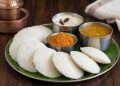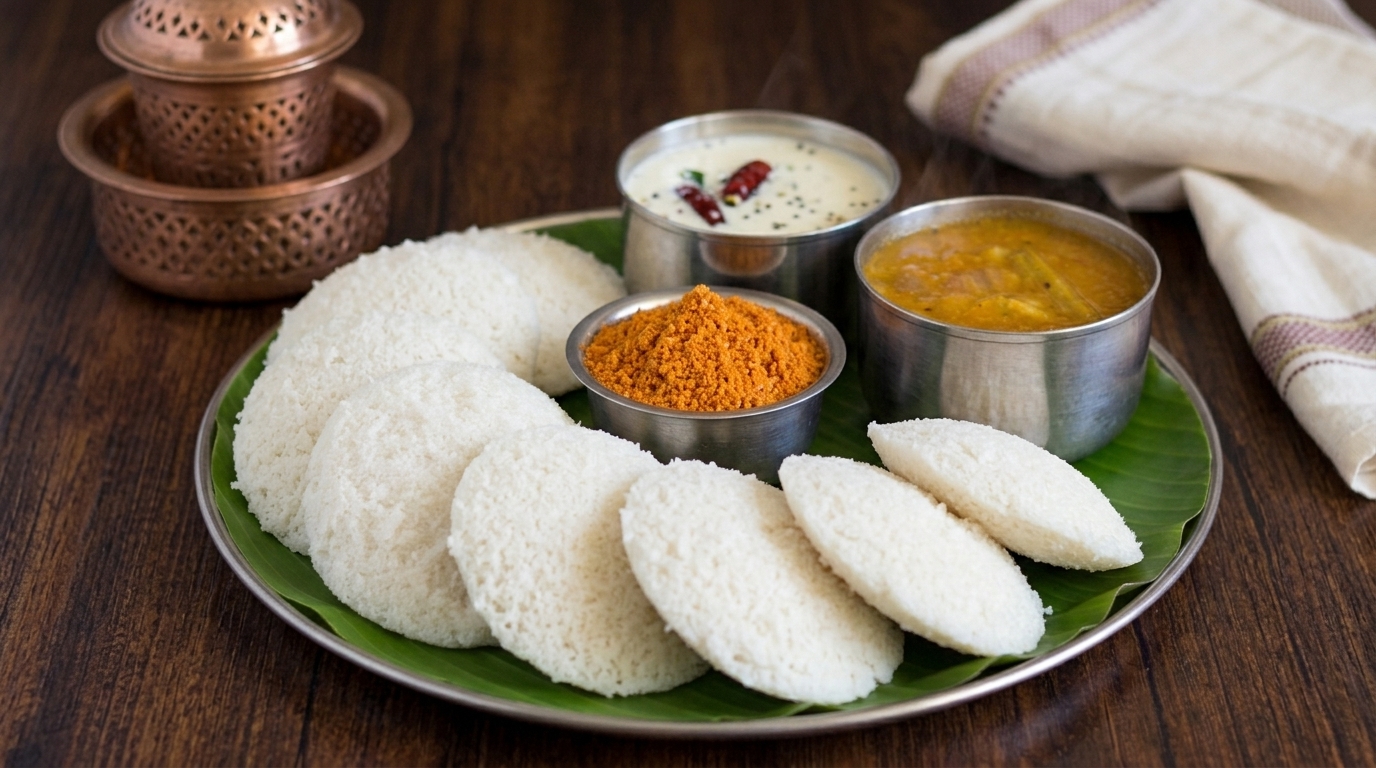
Soft idlis have a special place in our kitchen. After living in Hyderabad for many years, we developed a particular affection for the light, tender idlis served across Andhra Pradesh and Telangana. This Andhra style soft idli recipe follows my wife’s familiar ratio: 1 cup urad dal to 3 cups idli rava, with 1 teaspoon fenugreek seeds (methi dana) and ½ cup poha (flattened rice). That proportion is the heart of the recipe.
Unlike recipes that start with whole rice, this version uses idli rava: coarse ground rice sold specifically for idlis, not the wheat semolina often called rava or sooji. The grains give the cooked idlis a soft, slightly textured crumb.
Why Idli Rava Makes This Version Different
Across South India, idli batter takes many forms. Andhra and Telangana households often use ready-ground rice rava with a fluffy, fermented urad dal batter. It is a practical variation within a much wider regional idli tradition, rather than the only authentic way to make idli.
The Three Things That Matter Most
Grind urad dal until airy
Soak the urad dal and fenugreek seeds together. Soak the poha separately for 15–20 minutes, drain and grind it until smooth. Combine with the fluffy dal batter, using only as much cold water as needed. Poha helps give the idlis a softer texture. The finished dal batter should feel light and creamy. A hot mixer jar can make this difficult; grind in batches and pause between them if needed.
Drain the rava properly
Rinsed, soaked idli rava needs to be drained and squeezed gently. If it carries lots of water into the batter, the idlis can turn flat or dense. Mix the damp rava evenly through the ground dal.
How to ferment idli batter in cold weather: Watch the batter, not just the clock
In warm Indian kitchens (and similarly warm climates worldwide), idli batter often ferments in 8–12 hours. In colder regions, including Germany in winter, allow 12–24 hours; with steady warmth around 25–30°C, it may be ready sooner. Look for a noticeable rise, bubbles and a pleasantly tangy aroma rather than relying on the clock alone.
Our winter trick in Germany: Add one green chilli to the batter. Briefly warm the empty oven to 40–50°C, switch it off and let it cool to 25–30°C before placing the loosely covered batter inside. If needed, remove the bowl and repeat the warming every 4–5 hours, three or four times over 24 hours. The chilli is our family practice, not essential for fermentation.
Other ways to ferment idli and dosa batter in cold weather:
- Oven light or dough-proofing mode: Keep the loosely covered bowl in a switched-off oven with the light on, or select a proofing temperature around 25–30°C.
- Microwave yoghurt mode: Use a microwave-safe bowl and select the low-temperature yoghurt or proofing programme only if your model supports gentle warmth around 25–30°C. Check after 6–8 hours. Never use normal microwave cooking power to ferment batter.
- Instant Pot: Select Yogurt on Less/Low (not Normal, Boil or Keep Warm); check that your model maintains gentle warmth. Place the bowl on a trivet inside the steel insert, cover with a glass lid or leave the pressure valve in Venting position, and start with 7–8 hours. Extend only as needed.
- Bread proofer or fermentation box: Set it to around 25–30°C and check the batter after 8 hours.
- Insulated cooler or casserole: Put the covered batter bowl inside with a separate bottle of warm water, refresh the water as needed, and monitor the temperature.
Appliance settings vary, so check the manual and use a thermometer if unsure. Leave room for the batter to rise. Once risen and bubbly, remove the whole chilli and cook or refrigerate promptly. Discard batter that fails to ferment adequately or shows signs of spoilage. For further guidance, see idli fermentation tips and cold-weather idli batter methods.
How to Steam Fluffy Idlis
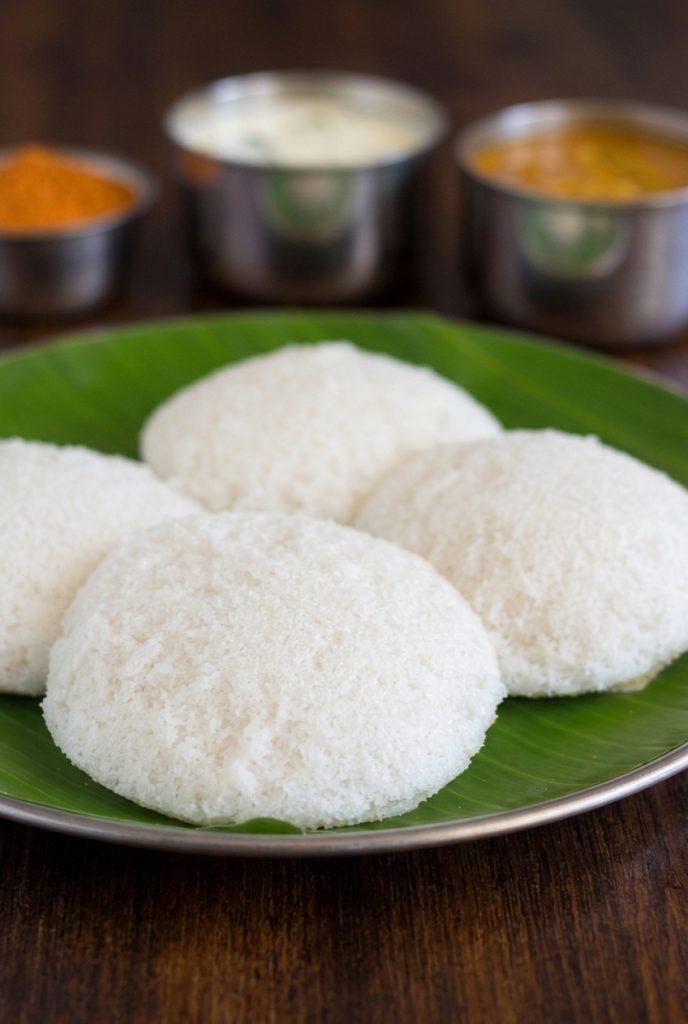
Grease the idli plates lightly and avoid overfilling. Place them above already simmering water, steam until the centres are set, and rest for two minutes before easing out with a spoon. Steam in batches if necessary, without crowding the steamer.
Note on quantities: The family’s 1:3 ratio is confirmed in the cooking notes. Salt, water, steaming time and yield in the recipe card are practical starting points that should be checked against your own steamer and mould size.
What to Serve with Andhra-Style Idli
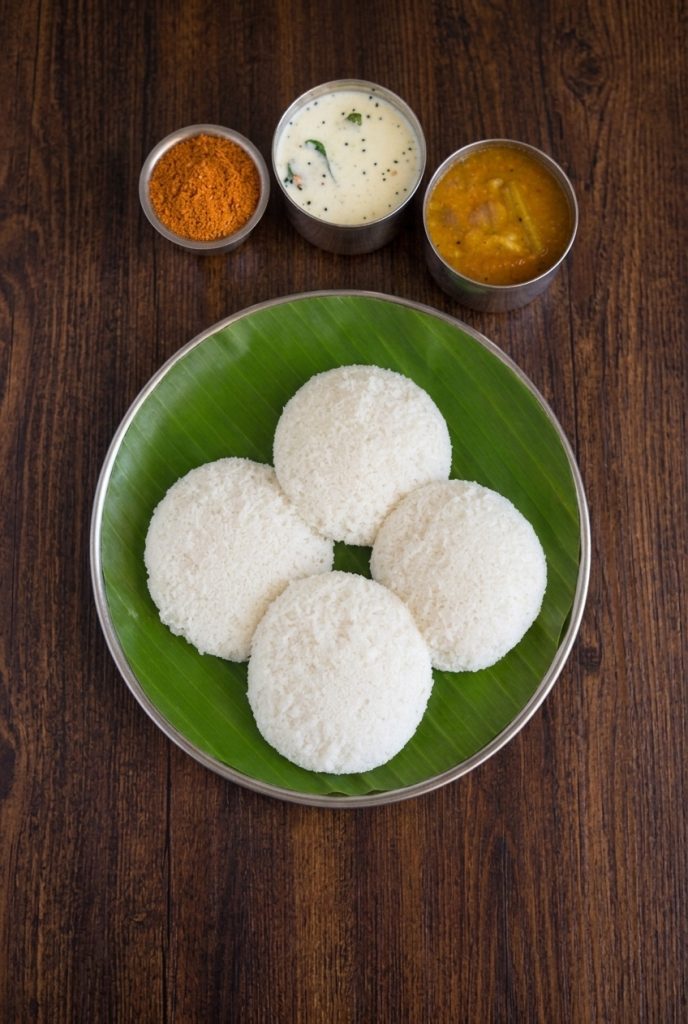
Bring together hot, soft idlis, a spoon of mixed vegetable sambar and Udupi coconut chutney. For a second chutney, try Andhra palli peanut chutney, another flavour connected to Andhra kitchens.
Frequently Asked Questions
Can I use ordinary sooji instead of idli rava?
No. Wheat sooji behaves differently. Look for idli rava made from rice.
Why are my idlis hard and dense even after fermentation?
Even well-fermented batter can produce hard idlis if the urad dal was not ground fluffy, the batter is too thick or watery, or the idlis were steamed too long. Use fresh urad dal, grind with cold water, drain the rava well and gently scoop the risen batter into the moulds without vigorous stirring. Steam for about 10–12 minutes and check for doneness.
Can I ferment batter in a cold kitchen?
Yes! In colder climates, idli batter may take 12–24 hours to ferment. Maintain a gently warm environment using an oven, microwave yoghurt mode or Instant Pot. Refer to our cold-weather fermentation tips above, including our tried-and-tested method in Germany.
What is the correct urad dal to idli rava ratio?
Our Andhra–Telangana family recipe uses 1 cup urad dal to 3 cups dry idli rava, plus ½ cup poha and 1 tsp methi seeds. Some Andhra recipes use 1:2 instead; the right ratio also depends on dal quality and how much air the grinder incorporates.
Why is my idli batter not rising even after overnight fermentation?
Check whether the batter is being kept gently warm (around 25–30°C), whether the urad dal is fresh and whether the batter is thick but spoonable. In winter, fermentation can take longer than overnight. Tiny bubbles and a mildly tangy aroma can indicate fermentation even without doubling. Do not keep an unfermented batter indefinitely; discard it if it fails to ferment adequately or shows signs of spoilage.
Can I make soft idli without a wet grinder?
Yes. A mixer-grinder works well for idli rava batter because you only need to grind the soaked dal, methi and poha. Use small batches and cold water, pause if the jar heats up, and fold in the drained rice rava.
Why add poha and methi seeds to idli batter?
Poha (flattened rice or atukulu) helps create a soft texture, while fenugreek seeds are traditionally used to support fermentation and batter texture. Our family uses ½ cup poha and 1 teaspoon methi with 1 cup urad dal.
Should I add salt before or after fermenting idli batter?
Both methods are used. In our recipe, salt is gently folded in after fermentation, which is especially practical in a cold kitchen. Avoid vigorous mixing so the batter retains its air.
Can I ferment idli batter without an oven?
Yes. Use an Instant Pot on an appropriate low yoghurt setting, a temperature-controlled microwave proofing programme, a bread proofer or an insulated casserole with a separate warm-water bottle. See our cold-weather fermentation guide for the settings and precautions.
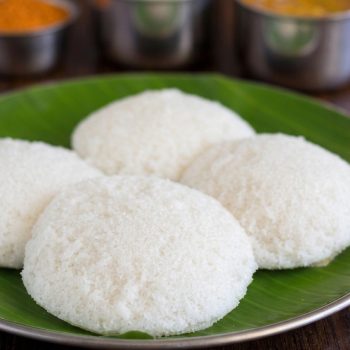
Andhra Telangana Soft Idli with Idli Rava
Ingredients
Ingredients
- 1 cup urad dal (hulled whole or split)
- 3 cups idli rava (coarse rice semolina, not wheat rava)
- as needed water for soaking and grinding
- 1½ tsp fine salt (proposed starting point)
- a little oil to grease idli moulds
- 1 tsp fenugreek seeds (methi dana)
- ½ cup poha (flattened rice)
Instructions
Method
- Rinse urad dal and fenugreek seeds thoroughly and soak together in plenty of water for 4–6 hours.1 cup urad dal (hulled whole or split), 1 tsp fenugreek seeds (methi dana), as needed water for soaking and grinding
- Rinse idli rava and soak for 30–60 minutes. Drain through a sieve and gently squeeze out excess water so it is damp, not dripping.3 cups idli rava (coarse rice semolina, not wheat rava)
- Rinse the poha and soak in water for 15–20 minutes until soft, then drain excess water.½ cup poha (flattened rice), as needed water for soaking and grinding
- Drain the urad dal and fenugreek seeds, and grind with small additions of cold water until smooth and fluffy. Grind the softened, drained poha until smooth and combine with the dal batter.1 cup urad dal (hulled whole or split), 1 tsp fenugreek seeds (methi dana), ½ cup poha (flattened rice), as needed water for soaking and grinding
- Fold in drained idli rava. Mix thoroughly; add a little water only if needed for a thick spoonable batter. Cover loosely and ferment in a warm place until expanded, airy and pleasantly tangy (often 8–14 hours).3 cups idli rava (coarse rice semolina, not wheat rava), as needed water for soaking and grinding
- Gently fold in salt; avoid deflating. Lightly grease idli moulds and fill about three-quarters full.1½ tsp fine salt (proposed starting point), a little oil to grease idli moulds
- Bring water in steamer to a boil. Insert moulds and steam 10–12 minutes on medium heat until a skewer comes out without wet batter. Rest 2 minutes before unmoulding.
Notes
We would love to hear whether you prepare idli with idli rava or whole rice in your own kitchen.